
Natural Color Human Hair vs. Jet Black Hair: What’s the Difference?
When shopping for a human hair wig, the difference between natural color human hair and jet black hair is about more than appearance. One important difference is how the hair may be processed before it becomes a finished wig.
Natural-color human hair can stay closer to its original state, while achieving a deep, uniform jet black shade may require additional color processing. For women who care about softness, strength, styling flexibility, and future color customization, this difference matters.
In this guide, we'll explain what makes natural-color human hair different, why minimal processing can help preserve hair quality, and how AmandaHairs approaches natural-color human hair.
Table of Contents
- 1. What Is Natural Color Human Hair?
- 2. What Is Jet Black Hair?
- 3. Natural Color vs. Jet Black: Key Differences
- 4. Why Minimally Processed Human Hair Matters
- 5. Benefits of Natural-Color Human Hair
- 6. The AmandaHairs Natural Color Hair Quality Standard
- 7. Which One Should You Choose?
- 8. Frequently Asked Questions
1. What Is Natural Color Human Hair?

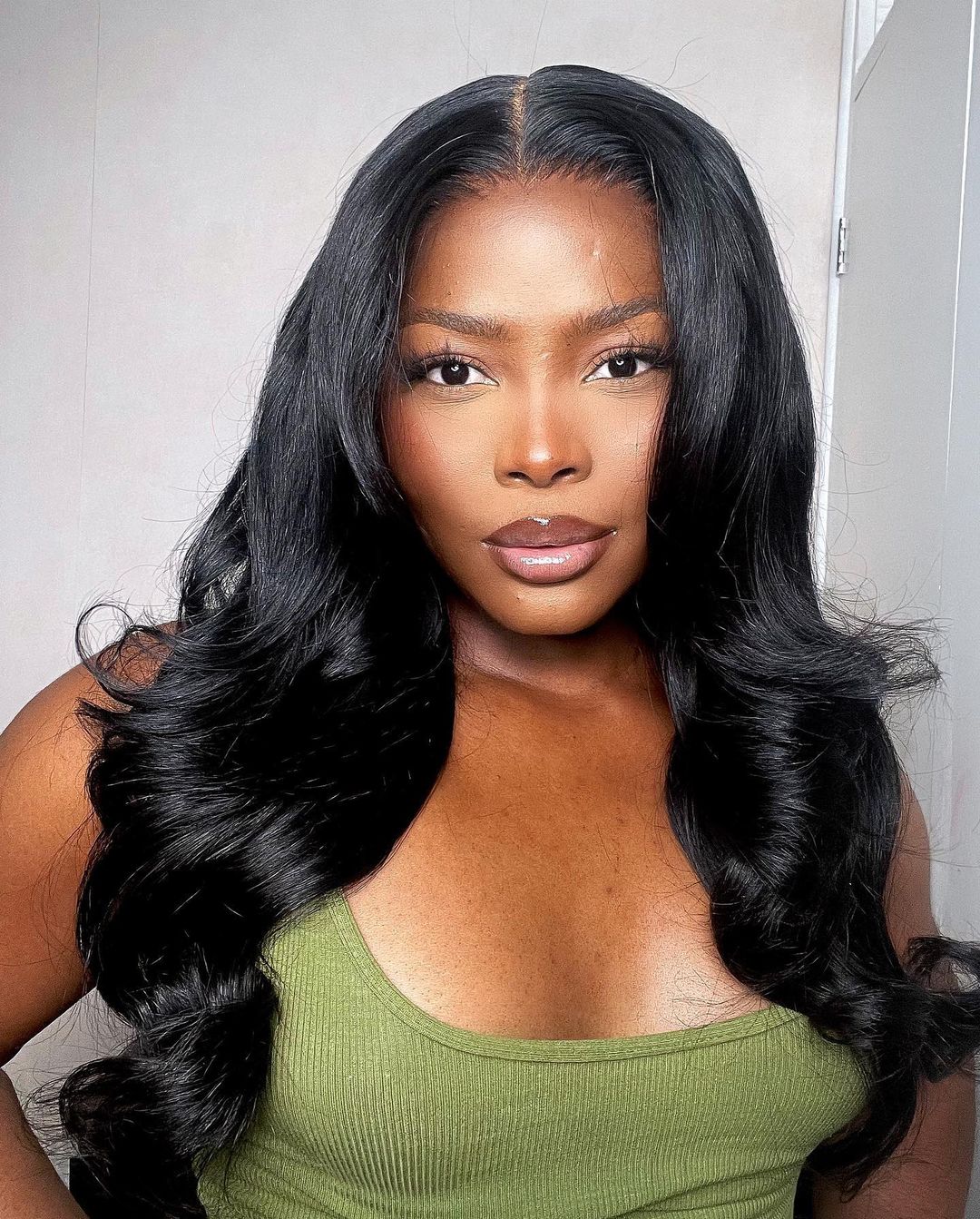
Natural color human hair refers to human hair that retains a shade close to its original color rather than being heavily colored to create a completely uniform dark shade.
Because real human hair naturally varies, natural color is not always one exact shade. It can range from soft black to dark brown and may reveal subtle warm or brown undertones under sunlight.
These slight variations are part of what gives natural-color hair its realistic dimension. More importantly, when high-quality human hair is kept closer to its original state with minimal unnecessary processing, more of the hair's original characteristics can be preserved.
2. What Is Jet Black Hair?

Jet black is a much deeper and more intense black shade. It creates a rich, bold, and uniform appearance from roots to ends.
For women who love sleek and dramatic black hairstyles, jet black can be a beautiful choice. However, naturally sourced human hair does not always come in one perfectly uniform jet black shade. Depending on the product, additional coloring may be used to achieve that consistent dark appearance.
This additional color processing is one of the important differences between jet black hair and natural-color human hair.
3. Natural Color vs. Jet Black: Key Differences
| Feature | Natural Color | Jet Black |
|---|---|---|
| Color | Soft black to dark brown | Deep, intense black |
| Appearance | Natural tonal variation | More uniform color |
| Color Processing | Can require less artificial coloring | May require additional coloring |
| Customization | More flexible starting point | Dark pigment may need to be lifted first |
4. Why Minimally Processed Human Hair Matters
Human hair naturally has its own strength, softness, shine, and texture. Every additional chemical process—including coloring and bleaching—can place stress on the hair fiber.
That is why minimally processed human hair can offer an important advantage. By avoiding unnecessary processing, the hair can remain closer to its original condition, helping preserve more of its natural qualities.
This is especially important if you regularly curl, straighten, or restyle your wig. Starting with quality hair that has undergone less unnecessary processing provides a better foundation for future styling.
Less processing does not mean human hair cannot be damaged. Heat, bleaching, coloring, improper washing, and poor maintenance can still affect it. The advantage is that the hair starts with less unnecessary chemical stress.
5. Benefits of Natural-Color Human Hair
Preserves More of the Hair's Original Quality
One of the main advantages of natural-color hair is that it does not need to be heavily darkened simply to create an artificial, perfectly uniform black shade. Minimizing this step can help preserve more of the original hair quality.
Natural Softness and Shine
Quality human hair should feel soft and move naturally. Natural-color hair can also show subtle tonal differences under different lighting, creating depth instead of a flat, artificial-looking finish.
Better for Future Color Customization
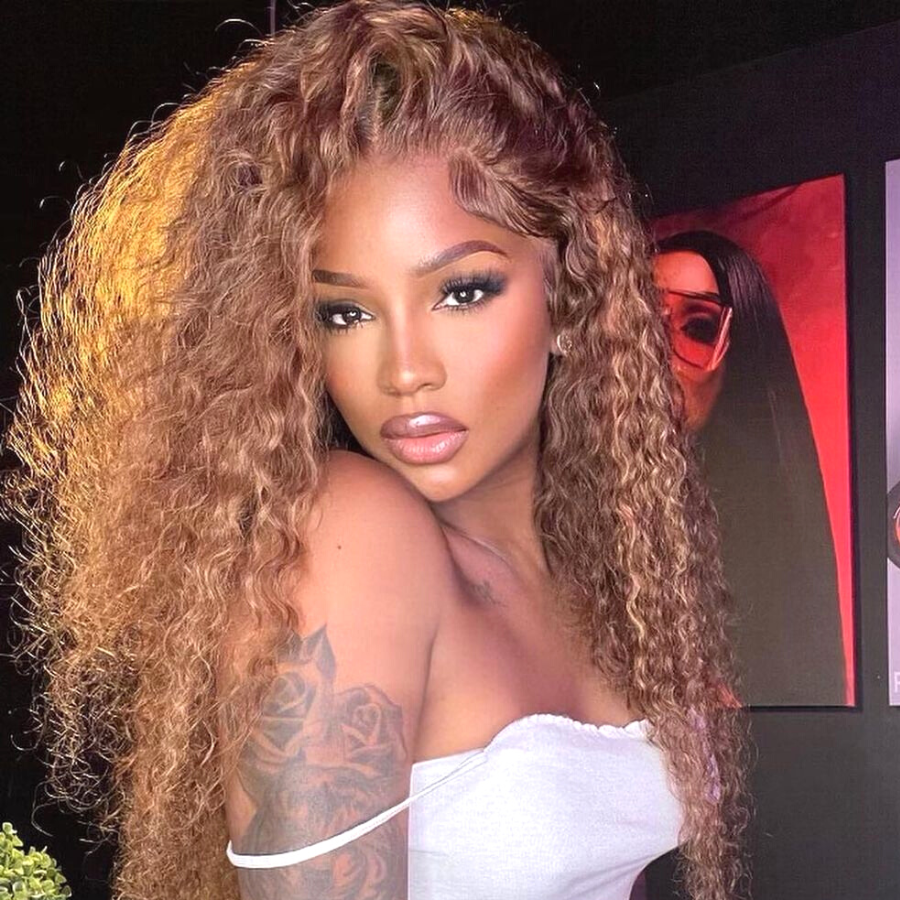
If you want to transform your wig into chocolate brown, caramel highlights, honey blonde, or another lighter shade, starting with natural-color hair can be more practical.
Hair that has already been artificially colored jet black may require the dark pigment to be lifted before a lighter color can be achieved. That means additional chemical processing.
More Styling Flexibility
Many women choose human hair wigs because they want to curl, straighten, restyle, and customize them. Starting with high-quality, minimally processed hair gives you a better foundation for creating different looks.
6. The AmandaHairs Natural Color Hair Quality Standard
At AmandaHairs, “100% human hair” is only the beginning.
We believe hair quality also depends on the condition of the original hair and how it is handled before becoming a finished wig. That is why we focus on selecting quality virgin human hair in its natural color and minimizing unnecessary processing.
Instead of heavily coloring the hair simply to create an overly uniform dark shade, AmandaHairs natural-color hair stays closer to its original state. The goal is to preserve the qualities that matter most in premium human hair:

This is particularly important for women who like to change their look. Starting with hair that has undergone less unnecessary color processing gives you more freedom to create highlights, brown shades, blonde tones, or other customized colors.
Natural Color. Naturally Strong. The Amanda Hair Quality Standard.
7. Which One Should You Choose?
The right choice depends on your preferred look and how you plan to style your wig.
Choose Natural Color If You:
- Prefer a softer, more natural dark shade
- Value minimally processed human hair
- Want subtle natural color variation
- Plan to color or customize your wig later
- Frequently curl, straighten, or restyle your hair
Choose Jet Black If You:
- Prefer a deep, intense black shade
- Want a highly uniform color
- Love a bold, polished black-hair look
- Do not plan to significantly lighten the hair later
8. Frequently Asked Questions
Is natural color human hair completely unprocessed?
Not necessarily. “Natural color” refers primarily to the hair's color and does not automatically mean absolutely no processing has occurred. At AmandaHairs, the focus is on minimizing unnecessary processing so the hair can stay closer to its original state.
Is natural color the same as jet black?
No. Natural color can range from soft black to dark brown and may show warm undertones in sunlight. Jet black is deeper, darker, and generally more uniform.
Can natural-color human hair be dyed?
Human hair can generally be colored, and natural-color hair can provide a more flexible starting point for customization. However, bleaching and coloring can still affect the hair, so a strand test is recommended before making a major color change.
Why can natural-color hair look brown in sunlight?
Real human hair naturally contains tonal variation. Hair that appears nearly black indoors may reveal subtle dark brown or warm undertones under bright natural light. This variation is part of the natural appearance of the hair.
Conclusion
The difference between natural color human hair and jet black hair goes beyond choosing between two dark shades. The amount of processing behind the color can also influence the condition and future styling flexibility of the hair.
By starting with quality virgin human hair in its natural color and minimizing unnecessary processing, AmandaHairs focuses on preserving more of the hair's original strength, softness, shine, and versatility.
For us, natural color isn't simply a color choice—it's part of our approach to better human hair quality.
Natural Color. Naturally Strong. The Amanda Hair Quality Standard.
Want to Know More, Visit Amandahairs now.


Laissez un commentaire